Turn 5 minutes a day into a powerful habit.
Download Your Free Daily Reflection Journal
Turn 5 minutes a day into a powerful habit.
Get My Free Daily Reflection Journal and start your journey toward better focus, gratitude, and mental clarity — no overwhelm, just a simple daily practice.

EMDR Therapy in Calabasas, CA
Healing Isn’t About Forgetting—It’s About Finally Feeling Free
Let’s Work Together to Find Relief


Start Where You Are with EMDR Therapy in Calabasas, CA, and Online. You’re Not “Too Much”—You’re Just Carrying Too Much
If you’re feeling weighed down by stress, old wounds, or the pressure to keep it all together, you don’t have to navigate it all on your own. As an experienced EMDR therapist, I can help you begin wherever you feel most at ease. With care, patience, and a pace that feels right for you, we’ll work together to help you feel more grounded, more present, and more like yourself again.
Personalized EMDR Counseling for Millennial Women Navigating the Lasting Impact of Trauma
- Flashbacks or vivid memories that make you feel like you’re right back in that moment
- Feeling emotionally numb, disconnected, or not quite like yourself
- Sudden waves of anxiety, fear, or panic with no clear cause
- Avoiding certain people, places, or conversations because of trauma memories
- A sense of being “stuck” in patterns that don’t make sense but feel impossible to break
- Trouble sleeping or constant restlessness that leaves you feeling drained
- Struggling to explain what’s wrong—even though you know something still doesn’t feel right
My Specialties
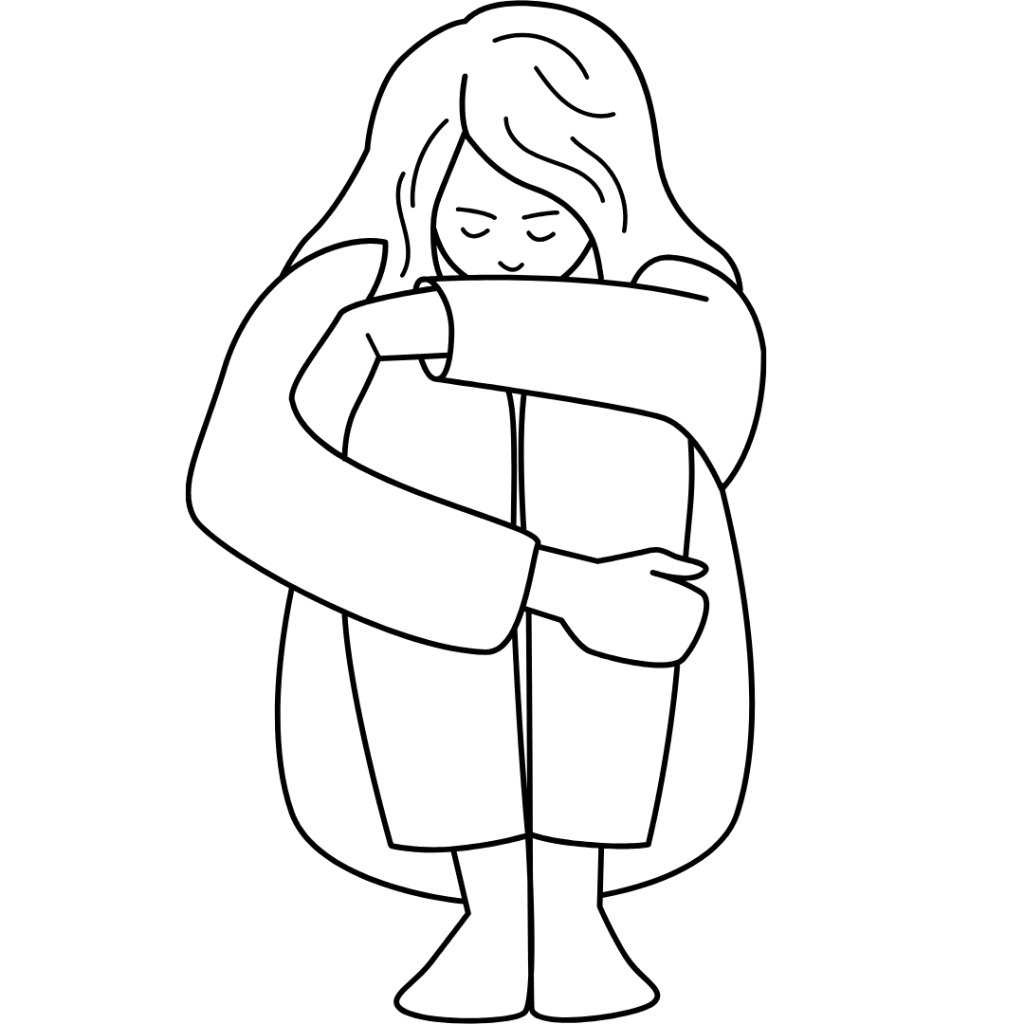
Trauma and PTSD
Trauma can show up in many ways—sleepless nights, flashbacks, irritability, panic, or simply the sense that something is always “off.” Whether you’ve experienced a single traumatic event or have a more complex trauma history, EMDR (Eye Movement Desensitization and Reprocessing) can help you feel less hijacked by your past. Together, we’ll work gently through each phase of EMDR, beginning with resourcing and preparation, so you always feel grounded, supported, and safe before we approach any upsetting memories.
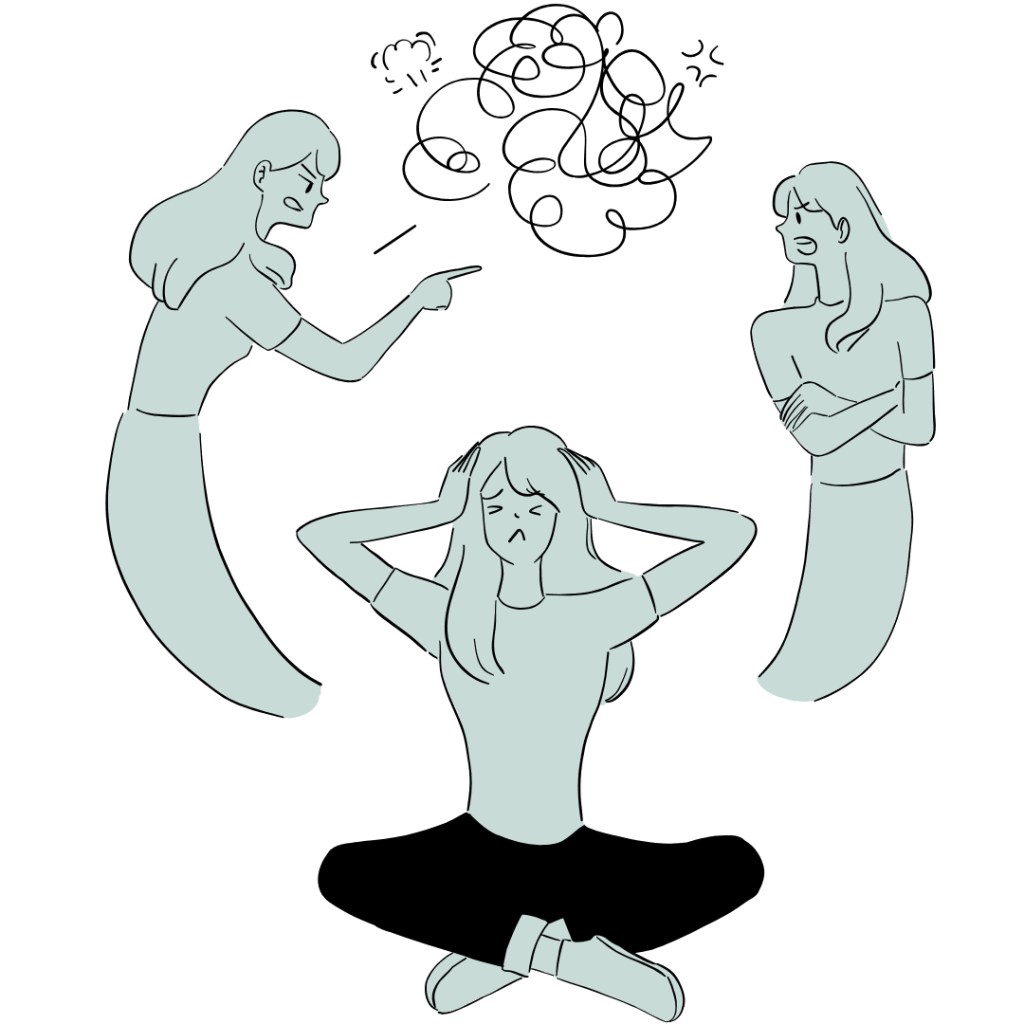
Distressing Life Experiences
Sometimes we don’t realize how much a past experience or disturbing event is affecting us until something triggers it. Maybe it was a breakup, a betrayal, a difficult childhood, or just a long season of stress and overwhelm. You may not call it “trauma,” but the impact is still there—in your body, your reactions, your relationships. EMDR treatment helps those unprocessed memories finally find their place, so they stop surfacing as anxiety, emotional numbness, or the feeling of being “stuck.”
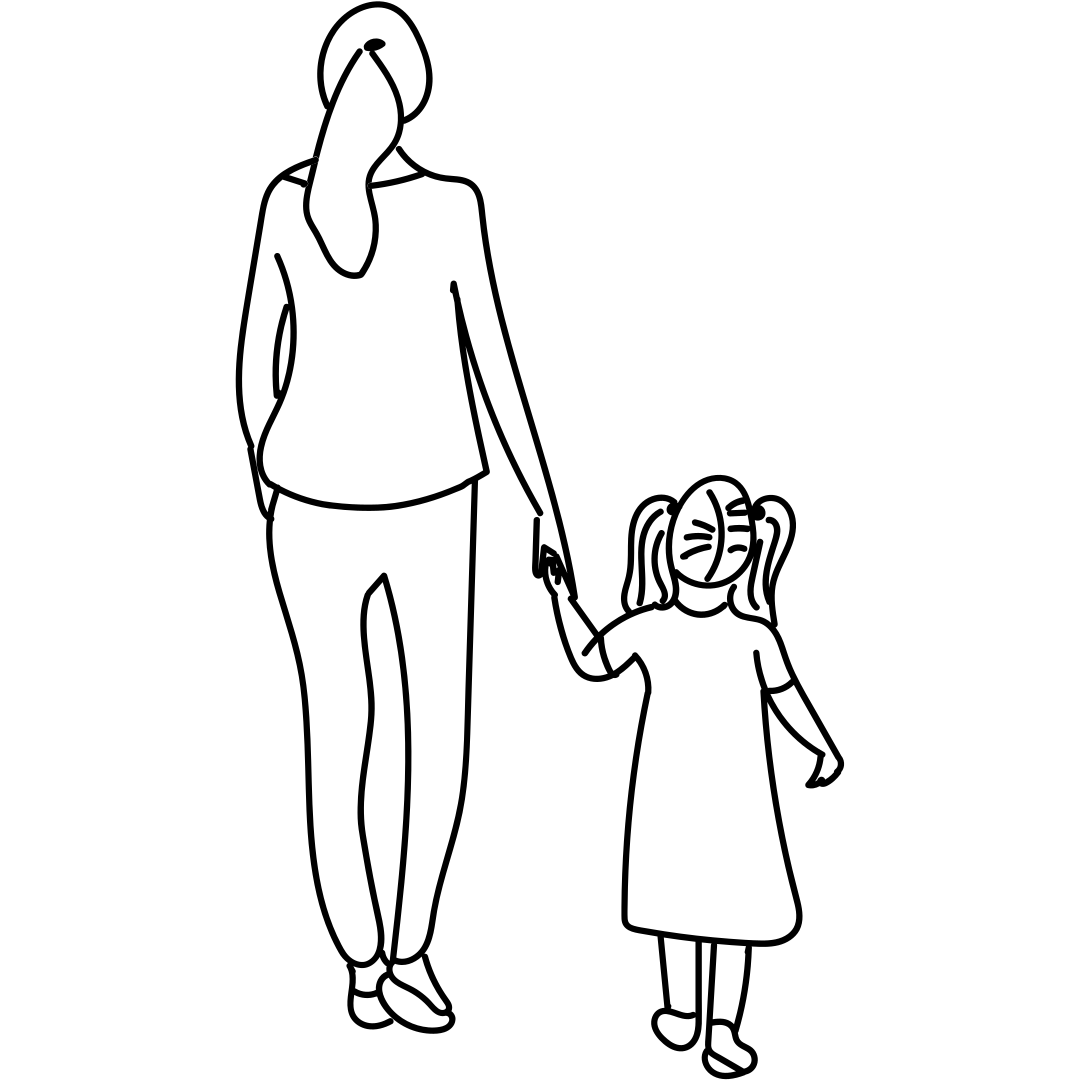
Anxiety That Stems from the Past
If your anxiety feels wired in—like no amount of deep breathing or logic seems to help—it might be rooted in past trauma-related experiences. In EMDR, we work with both the emotional and physical responses that were never fully processed. That might include body sensations, negative beliefs, or unconscious patterns that were created as a way to survive. The beauty of this therapy is that it doesn’t require you to “fix” anything—you simply allow the brain to do what it already knows how to do when given the right support.

Grief, Loss, and Life Changes
Loss changes us. Whether it’s the death of a loved one, the end of a relationship, or a major life transition that left you feeling unmoored, EMDR therapy can help you move through the pain without becoming overwhelmed by it. We often carry not just memories, but the emotions and beliefs that came with those moments—guilt, fear, regret, sadness. EMDR allows us to gently process those layers, so you can begin to feel more grounded in the present.
Frequently Asked Questions
Eye Movement Desensitization and Reprocessing (EMDR) is an evidence-based therapy that helps your brain process traumatic memories and emotional stress. Developed by Francine Shapiro, EMDR is a gentle yet powerful form of psychotherapy that’s used to treat a wide range of mental health conditions. EMDR is backed by the World Health Organization, American Psychological Association, and the Department of Veterans Affairs as an effective treatment for post-traumatic stress disorder (PTSD).
In the beginning, we focus on building trust, learning grounding tools (like the body scan), and preparing your nervous system for the deeper work. Only when you’re ready do we begin reprocessing with bilateral stimulation to help you rewire how the memory is stored in the brain. In a typical EMDR therapy session, you may notice the memory feels farther away, or the emotional charge begins to fade. This is your system doing the healing work it’s meant to do.
If you feel stuck, reactive, anxious, or overwhelmed in ways that don’t make logical sense — or if you’ve tried other types of therapy and still feel haunted by past traumatic experiences — you may benefit from working with an EMDR trauma therapist. Using EMDR therapy is a powerful way to help your brain and body gently let go of what it’s been holding.
The number of EMDR sessions varies from person to person. Some clients feel significant shifts in as few as 6–12 sessions, while others, especially those with complex or long-standing trauma, may benefit from a longer series of treatment. We’ll check in frequently and move through the eight phases of EMDR at a pace that feels respectful and manageable. Your healing isn’t on a timeline, and you’ll never be rushed.
Understanding EMDR and Trauma Recovery
Explore resources on EMDR therapy to learn how this evidence-based approach helps process distressing memories, reduce emotional triggers, and support lasting healing.

Related Services



Let’s Gently Work Through What’s Been Holding You Back with EMDR Therapy in Calabasas, CA, and Online
You don’t have to push through or pretend you’re fine. I offer EMDR in Calabasas and online so that wherever you are—emotionally or physically—you can begin this natural healing process in a way that feels safe, supported, and truly personalized. If you’re ready, or even just curious, we can take that next step together.