Turn 5 minutes a day into a powerful habit.
Download Your Free Daily Reflection Journal
Turn 5 minutes a day into a powerful habit.
Get My Free Daily Reflection Journal and start your journey toward better focus, gratitude, and mental clarity — no overwhelm, just a simple daily practice.

Somatic Therapy in Calabasas, CA
Your Body Has Been Carrying This Long Enough


What If Healing Didn't Require You to Relive Everything Out Loud?
Trauma-Informed Somatic Therapy in Calabasas, CA, for Women Who Have Tried Everything Else and Still Feel Stuck
- Feeling tense, braced, or on edge even when nothing is "wrong"
- Anxiety or emotions that seem to live in your chest, throat, or stomach
- A sense that something is still stuck even after years of talk therapy
- Numbing out, dissociating, or feeling disconnected from your body
- Physical symptoms like chronic pain or tightness with no clear cause
- Replaying traumatic experiences in your body long after they've passed
- Wanting to feel present and grounded but not knowing how to get there
Is Somatic Therapy Right for You?
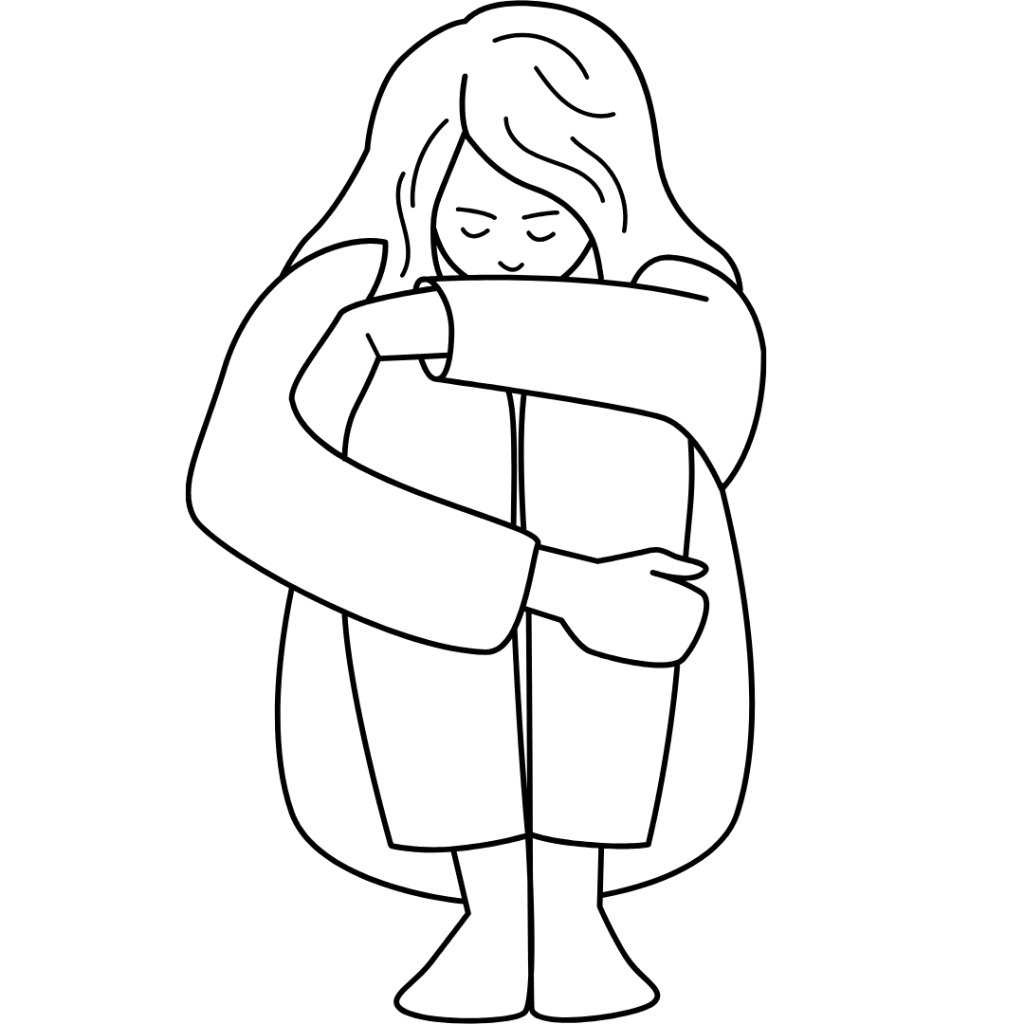
Trauma Stored in the Body
You’ve processed the story a hundred times, but something still doesn’t feel resolved. That’s because trauma is not always experienced as a memory alone. It lives in the body as tension, bracing, and a nervous system that never fully came down from high alert. Somatic therapy works with how it shows up in your body.

The Freeze Response and Shutdown
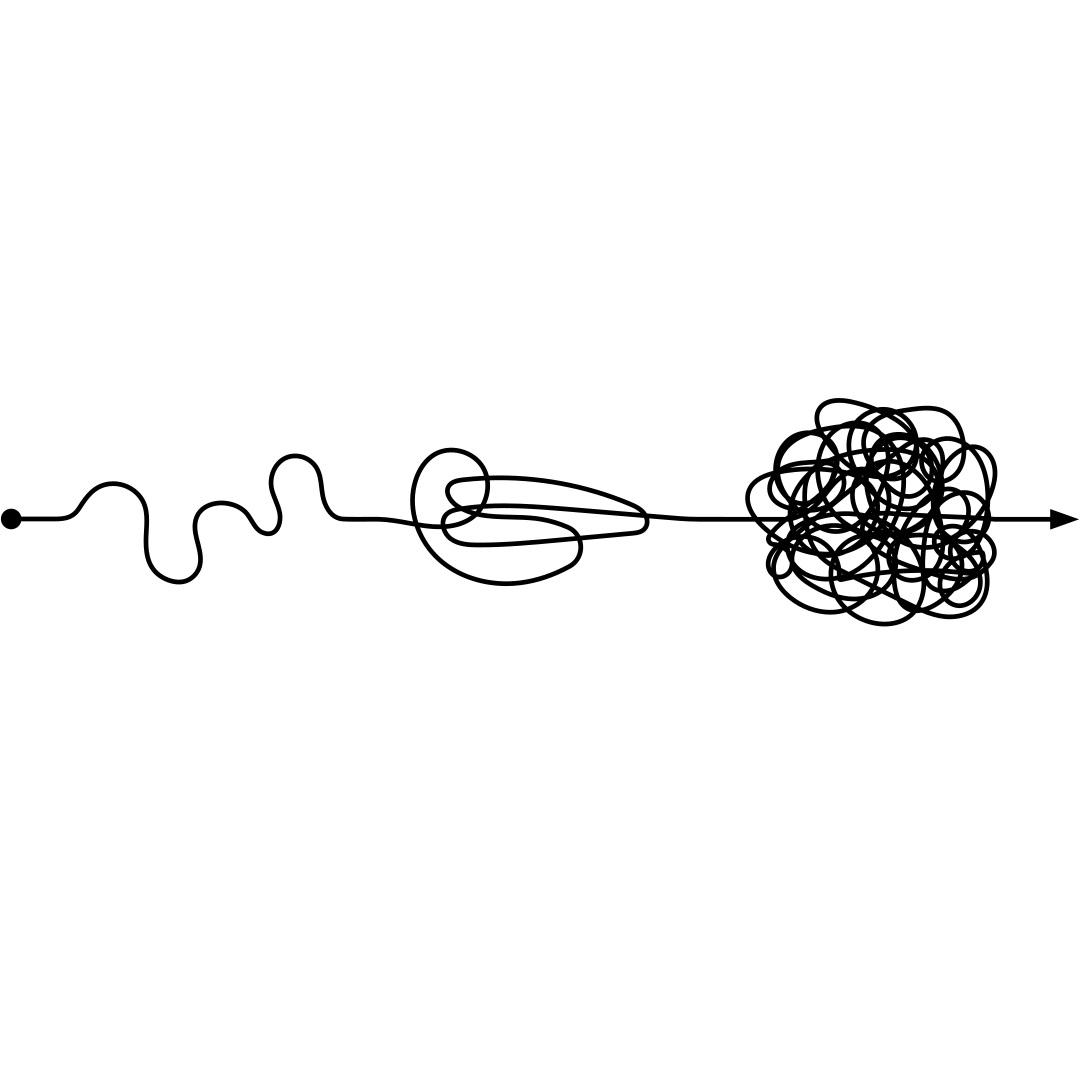
Anxiety That Won’t Settle

Chronic Pain and Physical Tension
Frequently Asked Questions
Traditional talk therapy focuses primarily on thoughts, feelings, and insight. Somatic therapy works with all of that and also with the body. Because trauma and stress are stored in the body as physical sensations, patterns of tension, and nervous system responses, somatic therapy works at the level where the pain actually lives. Many people find that somatic therapy adds a helpful layer when insight alone has not fully changed how they feel in their body.
Yes. Somatic release therapy is particularly effective for trauma, including post-traumatic stress disorder (PTSD), complex trauma, and the kind of chronic stress that gets lodged in the body over time. Because somatic approaches work directly with nervous system regulation rather than asking you to revisit traumatic memories in detail, many clients find it gentler and more manageable than other trauma treatment approaches. Somatic Experiencing, one of the key modalities used in somatic therapy, has a growing evidence base for trauma healing across a range of populations.
The first session is low-pressure. We spend time getting clear on what’s been going on for you, what you’ve already tried, and what you want to feel differently. I might introduce a simple grounding or body-awareness practice, not to jump into anything deep, just to start building that body-mind connection. Somatic therapy tends to move slowly at the start, and that’s intentional. The more grounded you feel in the process, the safer and more effective the deeper work can become.
Really well, actually. Somatic work builds the body awareness and nervous system stability that makes EMDR trauma reprocessing feel safer and more manageable. Without that foundation, EMDR can sometimes feel destabilizing. With it, the brain and body can work together through the reprocessing in a much more integrated way. I draw on both approaches in the same course of treatment when it makes sense for what you’re working through.
significant shifts in as few as 6–12 sessions, while others, especially those with complex or long-standing trauma, may benefit from a longer series of treatment. We’ll check in frequently and move through the eight phases of EMDR at a pace that feels respectful and manageable. Your healing isn’t on a timeline, and you’ll never be rushed.
Yes. In addition to in-person sessions in Calabasas, I work with clients online throughout California. Somatic therapy adapts well to telehealth. Body awareness, breathing exercises, and grounding practices don’t require you to be in the same room as your therapist. Whether you’re across town or across the state, we can do this work together.significant shifts in as few as 6–12 sessions, while others, especially those with complex or long-standing trauma, may benefit from a longer series of treatment. We’ll check in frequently and move through the eight phases of EMDR at a pace that feels respectful and manageable. Your healing isn’t on a timeline, and you’ll never be rushed.