


Not all abuse is loud, and not all abusers raise their voices. Sometimes, it looks like subtle manipulation, quiet control, or a partner who makes you feel small without ever laying a hand on you. This kind of emotional abuse doesn’t always leave visible bruises, but it can deeply harm your self-worth, your sense of safety, and your ability to trust your own voice.
If you’re feeling confused, anxious, or blaming yourself after a difficult relationship, you’re not alone. Many women second-guess their experience because the signs of emotional abuse are easy to miss, especially in romantic relationships that start with affection and charm. According to the CDC, nearly half of all women in the U.S. will experience psychological abuse by an intimate partner in their lifetime.
In this article, we’ll explore:
- What is emotional abuse and why it’s hard to name
- The signs and types of emotional abuse to look for
- How the emotional abuse cycle keeps you stuck
- Ways to cope, reclaim your voice, and begin to heal
If you’ve ever wondered, “Was that abuse?”—this is a safe place to begin answering that question. You’re not imagining it. And you don’t have to navigate it alone.
What Is Emotional Abuse and Why Is It So Hard to Name?
Emotional abuse doesn’t always look like abuse. It’s often quiet, confusing, and hard to name, especially when there are no bruises or raised voices. Instead, it shows up in ways that leave you feeling small, anxious, or unsure of yourself.
Unlike physical violence, emotional abuse is a pattern of behavior meant to control, manipulate, or break down your sense of self. And it often happens over time, especially once the relationship is established.
Let’s Find a Path Forward Together
If you’re tired of feeling overwhelmed, stuck in old patterns, or unsure what to do next, I’m here to help you reclaim emotional balance and clarity.
Emotional abuse may include:
- Constant criticism, sarcasm, or name-calling
- Gaslighting (making you question your memory or experience)
- Withholding affection or using the silent treatment
- Isolating you from friends or family
- Public embarrassment or shaming
- Threats, intimidation, or controlling behavior
- Jealousy, guilt trips, or emotional blackmail
- Dismissing or ignoring your emotional needs
- Blaming you for their actions or emotions
These patterns are all forms of emotional abuse, even if there’s never been physical violence.
According to the Office on Women’s Health, emotional and verbal abuse are serious and common parts of domestic violence.
If any of this feels familiar, it doesn’t mean you’re dramatic or broken. Abuse doesn’t have to be loud to be real. And if your relationship leaves you feeling afraid, confused, or like you’re always the problem, you’re not imagining it.
What are the 5 signs of emotional abuse?
Constant criticism, gaslighting, emotional withdrawal, isolation from loved ones, and making you feel like everything is your fault are common signs of emotional abuse.
Signs of Emotional Abuse You May Have Missed
When you’re in an emotionally abusive relationship, the signs aren’t always obvious. Emotional abuse doesn’t always involve yelling, threats, or physical violence. Sometimes, it’s subtle, ongoing mistreatment that leaves you feeling confused, anxious, or invisible.
Here are a few signs that often go unnoticed:
You feel like you’re always walking on eggshells
You’re constantly trying to manage someone else’s reactions—avoiding topics, downplaying your needs, or staying quiet to keep the peace. This is a common result of coercive control, a form of emotional abuse that creates fear without ever having to threaten you directly.
Your needs are minimized or ignored
You’re told you’re too sensitive, too needy, or “always making things about you.” Over time, your self-esteem takes a hit, and you may stop voicing your emotional needs altogether.
You’re constantly questioning your memory or reality (gaslighting)
Gaslighting is a form of manipulation that leaves you doubting your version of events. You may feel shocked by how often you apologize or how often you wonder, Is it really that bad?
You’re isolated from friends or family
Whether they discourage you from spending time with loved ones or make you feel guilty for needing support, this kind of isolation helps them maintain power and control.
You feel emotionally exhausted, anxious, or small around your partner
If the relationship leaves you feeling drained, fearful, or like you’re disappearing, that’s not love—it’s a sign of abusive behavior.
If you recognize any of these patterns, you’re not overreacting. Abuse is never your fault, and even if abuse doesn’t involve physical harm, it can still have serious long-lasting effects on your mental health and well-being.

Types of Emotional Abuse (It’s Not Just Verbal Abuse)
Emotional abuse doesn’t always look like what you’d expect. It can be quiet, confusing, and deeply harmful, especially when it’s wrapped up in affection or apology. Each type of abuse is a tool of control, and all of them can leave lasting emotional wounds.
Here are some of the most common forms:
Verbal abuse and constant criticism
- Repeated insults, name-calling, and sarcasm
- Comments that make you feel ashamed, afraid, or “too sensitive”
- Criticism masked as “helpful advice” that chips away at your confidence
Emotional neglect and withholding affection
- Ignoring your emotional needs or punishing you with silence
- Giving affection only when you comply
- Making you feel invisible, unlovable, or not “enough”
Gaslighting and psychological manipulation
- Twisting facts or denying things that happened
- Making you question your memory, judgment, or reactions
- Leaving you confused, dependent, or constantly apologizing
Financial control and other power imbalances
- Controlling access to money, blocking work opportunities
- Tracking spending, demanding receipts, or punishing financial decisions
- Creating dependence to maintain control in the relationship
How emotional and verbal abuse often go hand in hand
- Many abusive situations involve a mix of tactics
- One moment might include affection, the next a manipulative withdrawal
- This back-and-forth makes it harder to recognize what’s really happening
If you’re experiencing emotional abuse, know this: it’s real, and abuse is never your fault. Whether you’re ready to leave the relationship or just starting to name what’s happening, there are resources to help.
The Emotional Abuse Cycle: Why It’s So Hard to Leave
If you’ve ever asked yourself, “Why didn’t I leave sooner?”, please know this: emotional abuse is designed to keep you stuck. The cycle of affection, control, and confusion isn’t your fault. It’s a tactic, not a reflection of your strength or intelligence.
Love bombing and devaluation
In the early stages, your partner may overwhelm you with praise, attention, and promises of forever. This phase, often called love bombing, can feel magical. But once the emotional bond is strong, the tone shifts. You may begin to notice subtle signs of abuse: criticism, withdrawal, blame. The same person who once adored you now makes you feel unworthy or afraid. This cycle of idealization and devaluation is common in narcissistic abuse patterns.
Guilt, hope, and the “maybe it’ll change” trap
Many women stay because they hope things will return to how they once were. You might feel guilty for wanting to leave, especially if your husband or partner shows occasional warmth or remorse. The confusion is real—abuse may begin suddenly, or it may unfold slowly over time, making it even harder to recognize.
Trauma bonding and confusion
Trauma bonding happens when the highs and lows of an abusive relationship create a strong emotional attachment. The unpredictable mix of affection and mistreatment can actually deepen your bond, making it incredibly difficult to end the relationship, even when you know it’s harming you.
Why even strong, self-aware women can stay in abusive relationships
Many women who’ve experienced emotional abuse are resilient, thoughtful, and deeply caring. But abuse often targets those exact traits. You may have minimized your pain because you weren’t in physical danger, or felt like leaving an abusive relationship would mean starting over alone. You may have thought your situation didn’t “count.” But emotional abuse causes real short- and long-term effects, including anxiety, depression, and even chronic pain.
What are the 5 stages of emotional abuse?
Emotional abuse often follows a cycle: love bombing, control, criticism, confusion or gaslighting, and emotional withdrawal or blame.
When the Abuse Isn’t Physical: Being Taken Seriously Anyway
If your emotionally abusive partner or emotionally abusive husband never yelled, hit, or threatened you, you might question whether what you’ve experienced “counts.” That confusion is common. Many women minimize their pain because they think abuse must be physical to be real. But the truth is, emotional abuse may begin suddenly, unfold quietly, and still cause lasting harm.
What to do if your emotionally abusive partner or emotionally abusive husband never laid a hand on you
Abuse isn’t defined by bruises. It’s defined by patterns of control, mistreatment, and behaviors that frighten or silence you. If your partner gaslit you, dismissed your needs, isolated you, or made you feel like you were always to blame, those are all signs of abuse. Even if you’re still unsure, trust your body—exhaustion, anxiety, or dread are signals that something’s not okay. And if you’ve experienced this, you deserve to be taken seriously.
The long-term effects of emotional abuse on confidence, self-esteem, and identity
Emotional abuse often erodes your inner voice. Over time, it can impact your ability to make decisions, speak up, or feel worthy of care. These aren’t overreactions; they’re real symptoms of a nervous system that’s been in survival mode.
Why it’s valid to grieve the loss of the relationship and the version of you that lived inside it
Leaving—or even naming—an abusive relationship often comes with deep grief. You might miss the person you thought your partner was, or mourn the version of yourself you lost trying to keep the peace. That grief is valid. Healing means making space for both truth and tenderness. It’s okay to hold sorrow and relief at the same time.
You deserve support, even if your story doesn’t look like someone else’s.
How to stop emotional abuse?
Start by recognizing the patterns, setting boundaries, and seeking support from a therapist or the National Domestic Violence Hotline. You don’t have to do it alone.
How to Cope With Emotional Abuse And Start Rebuilding
If you’ve been in an emotionally abusive relationship, healing doesn’t happen overnight. It’s slow, personal, and often layered with grief, confusion, and exhaustion. The good news is: you don’t have to have it all figured out right now. There’s no one right way to heal, but there are steps that can help you find your way back to yourself.
Here are a few gentle places to start:
Name what’s happening without self-blame
The first step in coping with emotional abuse is acknowledging it. Naming the signs of abuse you’ve experienced without minimizing or justifying them is an act of courage. Abuse is never your fault, even if abuse began suddenly, or if you chose to stay in the relationship out of hope, fear, or love.
Reconnect with your inner voice and values
Abuse can disconnect you from your intuition. Begin noticing how you feel around certain people, situations, or conversations. Journaling, mindfulness, and working with a therapist can help you rebuild that connection to your inner compass – your values, your needs, your voice.
Build a safe support system—friends, therapy, or abuse-informed counsel
You don’t have to do this alone. Whether it’s a trusted friend, a trauma-informed therapist, or an advocate from the National Domestic Violence Hotline (800-799-7233), a safe connection is part of your healing. There’s strength in asking for support.
Practice small acts of self-trust and self-discipline
Healing often starts with the tiniest boundaries. Saying no without overexplaining. Pausing before replying. Choosing to rest instead of overfunction. These small acts of self-discipline help restore your self-trust and rebuild your sense of agency.
You deserve care, protection, and a life where you feel safe being yourself.
Leaving an Abusive Relationship: You’re Not Alone, and You’re Not Weak
Leaving an abusive relationship is one of the hardest things a person can do—not because you’re not strong, but because abuse is designed to keep you stuck. Maybe you’ve told yourself it’s not that bad, or that you should wait until things get better. Maybe you’ve been afraid, confused, or just too emotionally drained to think clearly. All of that makes sense. Abuse, especially emotional or psychological, chips away at your self-trust, your clarity, and your energy to act.
If you’re starting to wonder whether it’s time to leave, here are a few things to know:
- You don’t need physical violence for it to “count.” Emotional abuse is real and valid.
- You’re allowed to want safety, peace, and emotional respect.
- Even if you’re still unsure, you can start by gathering information, making small changes, or talking to someone you trust.
Creating an exit plan doesn’t mean you have to leave tomorrow. It means you’re planting seeds of safety, awareness, and support. That might include:
- Reaching out to a therapist or support group
- Talking to a trusted friend or family member
- Calling the National Domestic Violence Hotline
- Saving important documents or putting away a little money when you can
- Simply naming what’s happening without self-blame
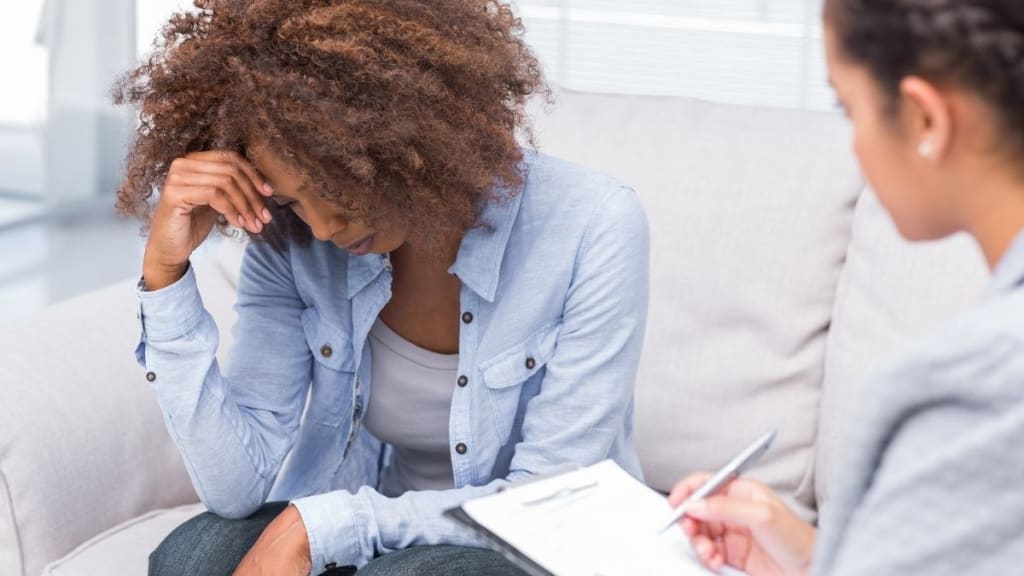
You may feel overwhelmed, scared, or even guilty, but you don’t have to carry those feelings alone. You deserve safety, clarity, and care.
Whether you’re preparing to leave, have already left, or you’re still trying to sort through what’s happening, I’m here to support you, gently and without judgment. Healing doesn’t follow a straight line, but with support, you can move toward safety, clarity, and the version of yourself you’ve been missing.
Rebuilding After Emotional Abuse Starts With Support That Feels Safe
If you’re trying to piece yourself back together after emotional or verbal abuse, I am here to help. At Life Reclaimed Therapy, I offer individual relationship counseling to help you reconnect with your voice, your boundaries, and the parts of yourself that got lost along the way.
I specialize in working with millennial women moving through major life transitions—whether you’re navigating a breakup, stepping into motherhood, shifting careers, or simply trying to understand the aftershocks of witnessing abuse or enduring long-term emotional harm.
Together, we’ll work on:
- Building emotional boundaries rooted in self-trust
- Processing relationship trauma, emotional neglect, and self-worth wounds
- Supporting your nervous system and reducing anxiety after long-term stress
I blend talk therapy, mindfulness, and body-aware practices based on what works best for you. If you’re ready to feel more like yourself again, I’d love to support you.
Reach out for a free consultation—let’s take the next step together.